

Selecting floor tiles for your home is an important decision that affects both aesthetics and functionality. With the wide variety of materials, sizes, textures, and styles available today, choosing the right tile can feel overwhelming. This guide breaks down the key factors to consider so you can make a confident and informed choice.
1. Consider the Room and Its Purpose
Different rooms have different requirements:
- Bathroom: Choose tiles with high slip resistance, preferably matte or textured surfaces. Porcelain and ceramic are the most common choices.
- Kitchen: Opt for durable, easy-to-clean tiles that resist stains and moisture.
- Living room or hallway: Focus on durability and design, especially if the area has high foot traffic.
- Outdoor areas: Select frost-resistant, non-slip tiles specifically rated for exterior use.
2. Choose the Right Material
Understanding tile materials helps you pick the best option:
- Ceramic: Affordable, easy to install, good for low- to medium-traffic areas.
- Porcelain: Denser and more durable than ceramic; ideal for high-traffic areas and rooms with moisture.
- Natural stone (marble, granite, slate, travertine): Luxurious appearance but requires sealing and more maintenance.
- Vinyl or SPC tiles: Comfortable, quiet, and warm underfoot; suitable for living areas and bedrooms.
- Terracotta: Offers rustic charm but needs sealing and regular care.
3. Pick the Appropriate Tile Size
Tile size affects how a room looks and feels:
- Large tiles (60×60 cm and up): Make a room appear bigger and more modern. Ideal for open spaces.
- Medium tiles (30×60 cm): Versatile and suitable for most rooms.
- Small tiles (10×10 cm or mosaics): Best for areas with slopes or curves, like showers or decorative zones.
Tip: Fewer grout lines create a cleaner, more spacious appearance.
4. Choose a Suitable Finish and Texture
Tile finish is not only a design choice—it affects safety:
- Matte tiles: Non-slip and ideal for bathrooms and kitchens.
- Glossy tiles: Reflect light and visually enlarge a space but can be slippery.
- Textured tiles: Add character and improve traction, perfect for wet areas and outdoor use.
5. Pay Attention to Tile Ratings
Look for technical specifications on the packaging:
- PEI rating: Indicates wear resistance. PEI III or higher is recommended for floors.
- Slip resistance (R rating): For wet spaces, choose R10 or above.
- Water absorption: Porcelain tiles with ≤0.5% absorption are best for bathrooms and kitchens.
6. Select the Right Color and Style
Think about the overall interior design:
- Light colors: Make small rooms appear brighter and more spacious.
- Dark colors: Add elegance but may show dust or footprints.
- Wood-look tiles: Warm, natural aesthetic with the durability of ceramic or porcelain.
- Stone-look tiles: Add a luxurious and timeless feel.
Always bring home samples and check how they look under your lighting.
7. Consider Installation Patterns
The way tiles are laid can change the atmosphere of a room:
- Straight lay: Clean and modern.
- Diagonal: Adds dynamism and visually expands the space.
- Herringbone or chevron: Trendy patterns that create visual interest.
- Brick bond: Traditional, perfect for rustic or industrial interiors.
8. Don’t Forget About Maintenance
Before purchasing, think about long-term upkeep:
- Glossy tiles are easy to clean but show smudges.
- Matte and textured tiles hide dirt better but may require deeper cleaning.
- Natural stone must be sealed regularly.
Choose a tile that fits your lifestyle and cleaning habits.
Conclusion
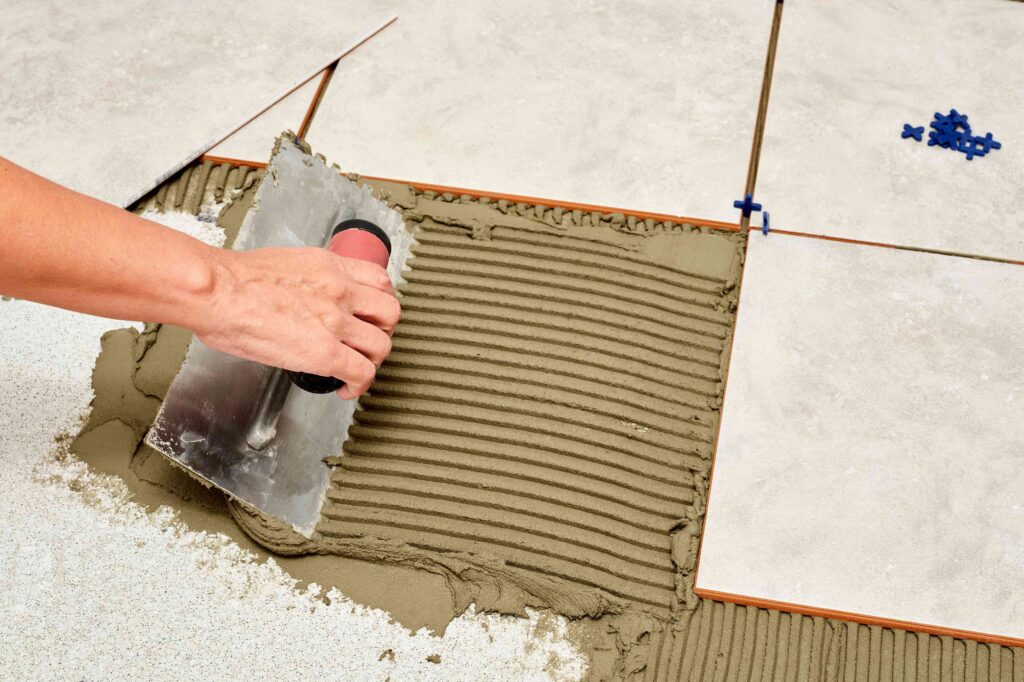
Choosing the right floor tiles involves balancing practicality, style, and budget. By considering the room type, material, size, texture, and overall design, you can select tiles that will last for years while enhancing the beauty of your home. Take your time, compare options, and if possible, consult a professional for installation.