
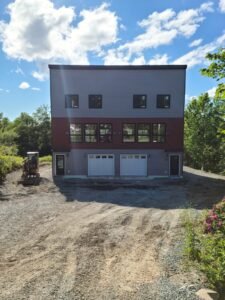
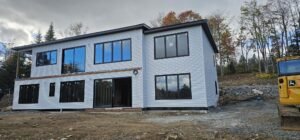
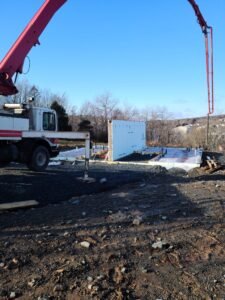
Build your dream home with professional new construction services from Asgard Construction. Our experienced team specializes in managing every aspect of residential construction from initial planning through final completion. Whether you’re building a single-family home, multi-unit residential property, or custom home project, we deliver exceptional quality, adherence to timelines, and transparent communication throughout the construction process.
Why Choose Professional New Construction Management?
New construction is a complex undertaking requiring specialized expertise, meticulous planning, and coordination of multiple trades and inspections. Professional construction management ensures your project stays on schedule, within budget, meets Nova Scotia building code, and achieves the quality standards you expect.
Expert Project Management
Professional construction managers bring comprehensive knowledge of construction processes, building codes, project scheduling, and coordination techniques. We manage every phase from pre-construction planning through final inspections, handling details like permit coordination, material procurement, subcontractor management, and quality control. This expertise prevents costly delays, rework, and miscommunications.
Code Compliance and Safety
All construction must comply with local building codes, zoning regulations, and safety standards. Professional contractors understand these requirements thoroughly and ensure every aspect of your construction meets or exceeds standards. We coordinate necessary inspections, maintain safety protocols, and document compliance throughout the project. Proper compliance protects your investment, ensures occupancy rights, and prevents future legal issues.
Quality Control and Craftsmanship
Professional construction managers implement rigorous quality control procedures at every phase. We conduct regular inspections, verify workmanship standards, identify issues early, and ensure corrections before moving to the next phase. This commitment to quality results in homes that are safe, durable, and beautiful.
Budget Management and Transparency
Professional management provides detailed budget planning, transparent cost estimates, and disciplined budget tracking. We identify cost drivers early, help you make informed decisions about materials and finishes, and manage changes systematically to prevent budget overruns. Regular financial reporting keeps you informed throughout your project.
Timeline Management
Realistic scheduling and disciplined project management keep your home construction on track. Professional coordinators manage the sequence of trades, procure materials on schedule, handle inspections efficiently, and adapt to challenges without losing momentum. Experienced managers understand typical timelines and can accurately estimate your project duration.
Understanding the New Construction Process
Professional new construction follows a structured, well-planned process that ensures success at every stage.
Phase 1: Pre-Construction and Planning (1-3 Months)
Successful construction begins long before ground breaks.
Land acquisition and site selection involves choosing and acquiring appropriate property, conducting soil testing and site surveys, verifying zoning compliance, and assessing environmental considerations. Proper site selection prevents future problems and ensures your property is suitable for your vision.
Architectural design and planning transforms your vision into detailed plans and specifications. We work with architects and designers to develop floor plans, elevations, material specifications, and construction details. Detailed plans prevent misunderstandings, provide cost accuracy, and serve as the blueprint for construction.
Budget development and cost estimation breaks down all anticipated costs including land, design, construction materials, labor, permits, fees, and contingencies. Understanding costs early allows you to make priorities and allocate your budget effectively.
Permitting and approvals involves submitting plans to local authorities, addressing any required modifications, and obtaining all necessary permits before construction begins. This process can take weeks or months but is essential before breaking ground.
Contractor and supplier selection involves bidding processes, contractor qualification, and establishing supply chain relationships. Choosing reliable, experienced contractors and suppliers ensures quality and reliability throughout your project.
Phase 2: Site Preparation and Foundation (4-8 Weeks)
The foundation phase establishes the structural base for your entire home.
Site clearing and grading involves removing trees, debris, and rocks, establishing proper drainage, and shaping the land to accommodate your home’s footprint. Site preparation protects against water infiltration and settling issues.
Excavation and footings begin actual construction with digging trenches and holes for the foundation, placing reinforcement (rebar), and pouring footings that distribute the home’s weight to stable soil. Proper footing placement prevents settling and structural issues.
Foundation work includes installing foundation walls (concrete, block, or other materials), waterproofing membranes, drainage systems, and utility runs (plumbing, electrical, gas lines into the foundation). Comprehensive waterproofing prevents moisture problems that plague many homes.
Curing and inspection allows concrete to cure properly (typically 7-28 days depending on conditions), then building inspectors verify that foundation work meets code requirements and is properly constructed. Inspection before proceeding to the next phase ensures your foundation is solid.
Phase 3: Framing and Structural Work (6-10 Weeks)
Framing creates the home’s structural skeleton.
Floor and wall framing involves erecting floor joists, wall studs, and the structural frame that defines your home’s shape and size. Quality framing is essential for structural integrity.
Roof system installation includes roof trusses or joists, sheathing, and temporary weather protection. The roof protects the structure from weather during remaining construction.
Exterior sheathing and house wrap application protects the structure with plywood or OSB sheathing and breathable house wrap that prevents water infiltration while allowing vapor escape. Proper exterior protection prevents mold and wood rot.
Window and door installation provides weather protection and prepares for later interior finishing. Early installation of these components helps achieve the “lock-up” phase where the structure is weather-tight.
Rough mechanical work includes running electrical wiring, plumbing pipes, HVAC ducts, and gas lines throughout the structure before walls are closed. This timing allows easier installation and inspection of these critical systems.
Structural inspection verifies that all framing, bracing, and connections meet building code requirements before proceeding to interior work. This inspection ensures your home’s structural integrity.
Phase 4: Exterior Work and Envelope Closure (4-8 Weeks)
The exterior is completed to protect the home from weather.
Exterior wall cladding including siding, brick, stone, or other materials is applied over the sheathing to create the finished exterior appearance and weather protection. Quality exterior work protects the structure and creates the home’s first impression.
Roofing installation includes underlayment, shingles or other roofing materials, flashing, and gutters to provide complete weather protection. Proper roofing prevents leaks and water damage.
Exterior doors and hardware installation completes the exterior envelope. Sealed, weather-tight doors and windows prevent air infiltration.
Deck or porch construction if planned for the design. These structures require proper flashing and waterproofing details.
Phase 5: Interior Rough-In and Systems (4-6 Weeks)
Interior systems are completed behind the walls.
Electrical rough-in verification ensures all circuits, outlets, switches, and fixtures are properly installed per code. Licensed electricians verify that work is correct and meets all requirements.
Plumbing rough-in inspection verifies that all supply lines, drain lines, and vent stacks are properly installed. Professional inspection ensures proper sizing and slope for drainage.
HVAC system installation includes ductwork, furnace or heat pump, air conditioning, and ventilation systems. Properly sized and installed systems ensure comfort and efficiency.
Insulation installation fills wall cavities, attic spaces, and crawlspaces with insulation to improve energy efficiency and comfort. Adequate insulation is essential for energy efficiency and moisture management.
Inspections verify that all systems are properly installed and meet code requirements before walls are closed. Multiple inspections ensure no issues are hidden behind walls.
Phase 6: Drywall, Paint, and Interior Finishing (6-8 Weeks)
Interior walls are finished to create the surfaces you see.
Drywall installation hangs drywall sheets on interior walls and ceilings. Drywall provides fire protection, sound isolation, and a finished surface for painting.
Drywall finishing (mudding, taping, sanding) creates smooth wall surfaces. Quality drywall finishing results in seamless, professional-looking walls.
Interior painting applies primer and finish paint to all interior walls and ceilings. Fresh paint dramatically transforms the home’s appearance.
Fixture installation includes ceiling fans, light fixtures, exhaust fans, and other built-in fixtures. Professional installation ensures proper function and safety.
Phase 7: Flooring, Cabinets, and Built-Ins (6-8 Weeks)
Major interior elements are installed.
Flooring installation applies hardwood, tile, vinyl, carpet, or other flooring materials throughout the home. Professional installation ensures proper fit, secure attachment, and beautiful results.
Cabinet and countertop installation includes kitchen cabinets, bathroom vanities, and countertops (granite, quartz, laminate, or solid surface). Quality cabinets and counters significantly impact both function and aesthetics.
Built-in shelving, closet systems, and architectural details are installed. These elements enhance both functionality and design.
Phase 8: Plumbing and Electrical Fixtures (2-4 Weeks)
Final connections for plumbing and electrical systems.
Plumbing fixture installation includes sinks, faucets, toilets, showers, tubs, and all connections. Professional installation ensures proper function and prevents leaks.
Electrical fixture installation includes outlets, switches, light fixtures, and appliance connections. Professional installation ensures safety and proper function.
Phase 9: Final Systems and Equipment (2-4 Weeks)
Final installations complete the home.
HVAC equipment final connections including thermostat installation and system startup. Professional startup ensures systems are functioning properly.
Appliance installation connects ranges, refrigerators, dishwashers, washer/dryer, and other appliances. Professional connection ensures warranty coverage and proper operation.
Exterior landscaping and hardscaping including driveway, walkways, grading, and initial landscaping. Site finishing completes the home’s appearance.
Phase 10: Final Inspection and Completion (1-2 Weeks)
Final verification ensures your home is complete and code-compliant.
Final walk-through inspection with building officials verifies that all required work is complete and meets code requirements. Multiple inspections throughout construction have verified compliance at each phase.
Punch list completion addresses any remaining items or adjustments. Thorough final inspection ensures nothing is overlooked.
Certificate of occupancy issuance officially confirms that your home is complete and safe for occupancy. This document is essential for moving into your new home.
Final walkthrough with you verifies everything is complete and meets your expectations. We address any final questions or concerns.
New Construction Timeline
The total timeline from planning to completion typically ranges from 12-18 months for most residential projects.
Project Phases Timeline Overview
Pre-construction planning: 1-3 months including site selection, design, budgeting, and permits
Site preparation and foundation: 1-2 months depending on soil conditions and foundation complexity
Framing and structural work: 2-3 months depending on home size and complexity
Exterior work and envelope closure: 4-8 weeks to complete exterior and protect interior
Interior systems and finishes: 8-12 weeks for walls, systems, paint, and fixtures
Final systems and landscaping: 2-4 weeks for final connections and site completion
Final inspection and closeout: 1-2 weeks for final verifications and occupancy certification
Factors Affecting Timeline
Design complexity significantly impacts timeline, with simple designs completing faster than complex custom designs. Larger homes naturally take longer than smaller homes.
Material availability can cause delays if items must be special-ordered. Ordering materials early helps prevent delays.
Weather affects exterior work and site conditions, particularly in climates with harsh winters or frequent rain. Building contingency time into schedules accounts for weather.
Labor availability impacts the speed of work, with experienced crews completing work faster and more efficiently. Building relationships with quality contractors prevents delays.
Permitting timelines vary by location but can range from weeks to months. Early permit application prevents delays.
Inspection scheduling affects progress as required inspections must be coordinated and passed before work proceeds to next phases. Professional coordination ensures inspections occur on schedule.
New Construction Costs and Budgeting
Understanding construction costs helps you plan your investment effectively.
Cost Breakdown
Land acquisition typically represents 20-25% of total project cost. Land costs vary dramatically by location.
Pre-construction costs including design, permits, surveys, and soil testing typically represent 5-10% of budget. Thorough planning in this phase prevents later problems.
Construction costs including materials, labor, subcontractors, and overhead typically represent 45-55% of total budget. This is where the majority of your investment goes.
Interior design and furnishing typically represents 5-15% of budget. Quality finishes dramatically impact the home’s appeal.
Landscaping and site completion typically represents 5-10% of budget. Proper landscaping enhances curb appeal.
Contingency fund (15-20% of budget) covers unexpected issues or changes. Building contingency into your budget prevents overruns when surprises arise.
Construction Cost Per Square Foot
Average construction costs range from $400-$700 per square foot depending on location, complexity, and finishes. These costs vary significantly by region and market conditions.
Design complexity affects costs significantly—simple, efficient designs cost less than complex, custom designs with numerous special features. A thoughtful, efficient design can provide the home you want without unnecessary expense.
Site conditions impact costs considerably, with easy sites costing less than difficult sites requiring special foundation work, retaining walls, or difficult access. Sloping sites requiring retaining walls can add $300-$1,000 per square meter to costs.
Material selections significantly impact costs, with basic materials costing less than premium finishes. Prioritizing where you spend on finishes allows you to maximize your investment.
Custom Home vs. Production Homes
Production homes built to standard designs typically cost less than custom homes. Builders achieve economies of scale through repeated designs.
Custom homes allow unlimited personalization but typically cost more due to custom design, unique specifications, and smaller project scales. The ability to build exactly what you envision is worth the premium cost for many.
Building Codes and Compliance
All new construction must comply with building codes and regulations that protect safety, health, and welfare.
Building Code Overview
Building codes set minimum standards for structural safety, mechanical systems (plumbing, electrical, HVAC), fire safety, energy efficiency, accessibility, and environmental protection. These codes are adopted by jurisdictions as law.
Common code sources include the International Building Code (IBC), International Residential Code (IRC), and National Construction Code (NCC) in Australia. Most jurisdictions adopt model codes with local amendments.
Local amendments address regional conditions like earthquakes, hurricanes, flooding, or other geographic hazards. Understanding local codes is essential for compliance.
Compliance Process
Plan review by building departments verifies that submitted plans comply with codes before permits are issued. Plan reviewers identify any code violations requiring corrections.
Building permits authorize construction to proceed when plans meet code requirements. Permits are essential—construction without permits can result in fines, forced demolition, or inability to obtain occupancy.
Inspections at multiple phases verify that construction complies with approved plans and building codes. Typical inspections include foundation, framing, rough mechanical, insulation, and final inspections.
Code compliance benefits include structural safety, fire safety, proper mechanical systems, energy efficiency, accessibility, and environmental protection. Compliance protects you and your home’s value.
Project Management Excellence
Professional construction management ensures your project succeeds.
Planning and Organization
Detailed project schedules establish the sequence of work, coordinate trades, and identify critical path items. Good scheduling prevents delays and coordinates multiple trades efficiently.
Accurate budgeting with detailed cost estimates, line-item breakdowns, and contingency reserves prevents budget overruns. Regular budget tracking identifies issues early.
Resource management ensures adequate labor, equipment, and materials are available when needed. Good procurement planning prevents delays.
Communication protocols establish regular meetings, daily reports, and clear decision-making processes. Good communication keeps everyone informed and prevents problems.
Quality Control
Daily site inspections verify workmanship standards and identify issues early. Proactive issue identification prevents rework.
Quality assurance procedures at each phase ensure standards are maintained. Regular inspections catch issues before they become bigger problems.
Inspection coordination ensures all required inspections occur on schedule. Professional coordination prevents inspection delays.
Punch list management identifies any remaining items and ensures completion before closeout. Thorough completion ensures nothing is overlooked.
Why Choose Asgard Construction for New Construction
When you choose Asgard Construction for your new construction project, you partner with experienced professionals committed to excellence.
Comprehensive Expertise
Our team brings extensive experience managing new residential construction from single-family homes to larger projects. We understand all aspects of the construction process and can navigate challenges efficiently.
Proven Project Management
We excel at planning, coordinating, and executing complex construction projects on schedule and within budget. Our systematic approach to project management ensures success.
Code Compliance and Safety
All our work meets or exceeds building codes and safety standards. We coordinate all required inspections and maintain compliance documentation.
Quality Craftsmanship
Our experienced tradespeople and careful quality control procedures ensure exceptional workmanship throughout your project. We take pride in the quality of every home we build.
Transparent Communication
We keep you informed throughout your project with regular updates, easy access to your project status, and responsive communication. You’ll always know how your project is progressing.
Budget Management
We provide detailed budgets, transparent cost estimates, and disciplined budget tracking to ensure your project stays within budget. We help you make cost-conscious decisions without sacrificing quality.
Get Started with Your New Construction Project
Begin building your dream home with professional new construction services from Asgard Construction. Whether you’re planning a single-family home or a larger residential project, our team has the expertise to manage every aspect of your construction from start to finish.
Contact us today for a free consultation. We’ll discuss your vision, assess your project, and provide a detailed proposal outlining timeline, budget, and next steps. Let us show you why homeowners and developers throughout the region trust Asgard Construction for new home construction.