
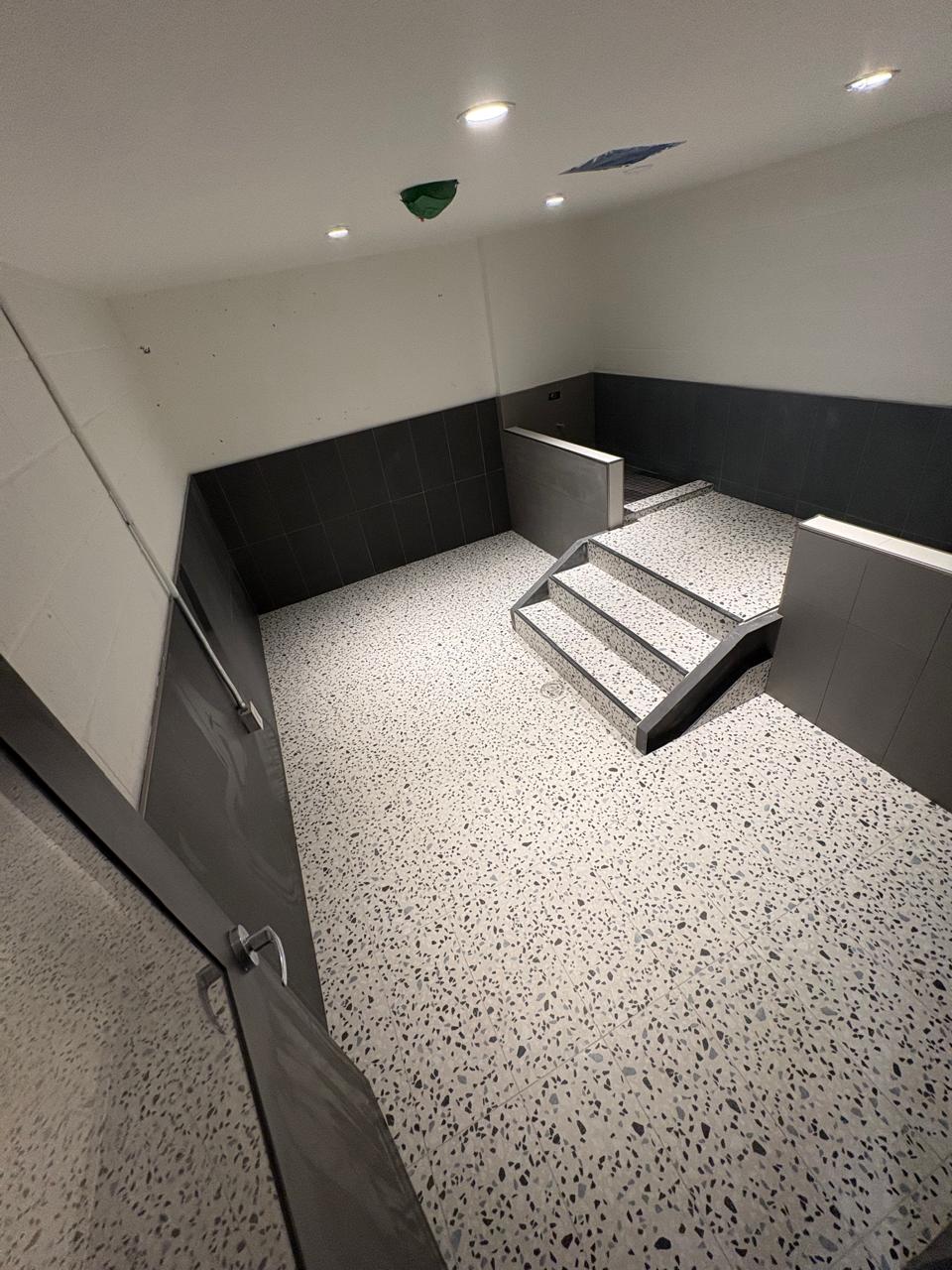
As pet ownership continues to rise, dog wash stations have become a highly desirable amenity in multi-family residential buildings. Whether you’re developing a new property or upgrading an existing one, a properly designed dog washing area adds value, improves tenant satisfaction, and reduces maintenance issues in units.
This guide explains how to build a dog wash station in a multi-story building from a technical and construction standpoint.
- Location Selection and Planning
The first step is choosing the right location within the building.
Best placement options:
Ground floor near main entrance
Parking garage level
Utility or mudroom area
Key considerations:
Proximity to plumbing lines (to reduce costs)
Floor drain availability
Easy access for residents (especially after outdoor walks)
Separation from living areas to control noise and moisture
Avoid placing the dog wash above finished residential units unless proper waterproofing and drainage systems are implemented. - Plumbing Requirements
A dog wash station requires both hot and cold water supply, as well as proper drainage.
Water supply:
Install mixing valve (thermostatic preferred for safety)
Use anti-scald protection (important for pets)
Standard pressure: 40–60 PSI
Drainage:
Floor drain with proper slope (minimum 1/4″ per foot)
Hair interceptor or strainer to prevent clogging
Tie into sanitary system (not storm drain)
Important: In multi-story buildings, always coordinate with building plumbing stacks to avoid costly rerouting. - Waterproofing and Moisture Control
This is one of the most critical technical aspects.
Required systems:
Full waterproof membrane (floor + 6–12 inches up the wall)
Seam sealing at all joints and penetrations
Waterproof backer board (cement board, not drywall)
Recommended materials:
Liquid-applied membranes or sheet membranes
Epoxy grout instead of standard grout (more resistant to moisture and chemicals)
Improper waterproofing can lead to leaks affecting lower floors—one of the biggest risks in multi-level construction. - Flooring and Wall Finishes
Materials must be durable, slip-resistant, and easy to clean.
Flooring:
Non-slip porcelain tile (R10 or higher rating)
Textured surface for pet safety
Sloped toward drain
Walls:
Ceramic or porcelain tile up to at least 4 feet
PVC panels or FRP (Fiberglass Reinforced Panels) as alternatives
Avoid:
Laminate
Standard drywall
Untreated wood - Dog Wash Tub or Platform
There are two main options:
Elevated Dog Wash Tub
Ideal for small to medium dogs
Reduces strain for users
Usually stainless steel or fiberglass
Walk-In Shower Style
Best for large dogs
Requires curb or trench drain
May include ramp access
Accessories:
Handheld spray nozzle
Leash hooks
Shampoo holders - Ventilation System
High humidity levels require proper ventilation to prevent mold and odors.
Requirements:
Exhaust fan (minimum 80–150 CFM depending on size)
Continuous or humidity-sensor operation
Ducted to exterior (not into ceiling cavity)
In underground or garage locations, ventilation becomes even more critical. - Electrical Considerations
Electrical work must comply with wet-area safety standards.
Installations:
GFCI-protected outlets
Waterproof light fixtures (IP-rated)
Adequate lighting (bright, neutral light)
Optional:
Pet dryers (wall-mounted or handheld) - Maintenance and Durability
Design with long-term use in mind.
Key features:
Easy-to-clean surfaces
Chemical-resistant materials
Replaceable components (spray heads, hoses)
Routine maintenance should include:
Drain cleaning
Inspection of waterproofing seals
Ventilation system checks - Building Code and Compliance
Always check local building codes and regulations.
In Canada (including Nova Scotia), consider:
Plumbing code requirements
Accessibility standards (if required)
Fire separation rules (if located in garage)
Consult with licensed professionals before installation.
Conclusion
A well-designed dog wash station is more than just a convenience—it’s a technical system that must be carefully integrated into the building’s plumbing, waterproofing, and ventilation infrastructure.
When built correctly, it:
Prevents water damage
Reduces cleaning issues in units
Adds real value to the property